
Finding the right supplements can feel overwhelming when you are pushing your limits in every Canadian competition or training session. For bodybuilders and athletes aiming for peak performance and faster muscle recovery, the difference often comes down to more than just dedication in the gym. This article highlights how specialized, research-backed supplements like protein, creatine, and amino acids offer targeted nutritional support to help you train harder, recover smarter, and approach your athletic goals with confidence.
Table of Contents
- Defining Supplements And Athletic Performance
- Types Of Supplements For Sports Enhancement
- How Supplements Influence Muscle And Recovery
- Legal And Safety Guidelines In Canada
- Risks, Side Effects, And Common Pitfalls
Key Takeaways
| Point | Details |
|---|---|
| Role of Supplements | Athletic supplements are designed to enhance performance, muscle development, and recovery, providing targeted nutritional support. |
| Consult Professionals | Always talk to a sports nutritionist or healthcare professional before adding new supplements to your regimen for tailored advice. |
| Safety and Compliance | In Canada, athletes must understand supplement regulations and ensure products are certified to avoid potential doping violations. |
| Understanding Risks | Athletes should recognize the risks of dietary supplements, including possible side effects and the importance of product research. |
Defining Supplements and Athletic Performance
Athletic supplements are specialized nutritional products designed to enhance physical performance, muscle development, and recovery for competitive athletes and fitness enthusiasts. These scientifically formulated compounds provide targeted nutritional support beyond standard dietary intake, helping athletes optimize their physiological potential and training outcomes.
In the realm of sports nutrition, dietary supplements play a critical role in athletic performance, encompassing a wide range of ingredients engineered to improve strength, endurance, and metabolic efficiency. These performance-enhancing aids typically include:
- Protein powders for muscle repair and growth
- Amino acid supplements to support protein synthesis
- Creatine for increased muscle energy production
- Caffeine to enhance mental focus and reduce fatigue
- Electrolyte formulations for hydration and mineral balance
Competitive athletes utilize these supplements strategically to address specific physiological needs. Sports nutrition research examines precise nutrient interactions that influence muscle function, energy metabolism, and post-exercise recovery. The objective is not simply consuming supplements, but understanding how targeted nutritional interventions can optimize training adaptations and performance outcomes.
Pro tip: Always consult with a sports nutritionist or healthcare professional before integrating new supplements into your training regimen to ensure they align with your individual physiological requirements and performance goals.
Types of Supplements for Sports Enhancement
Athletes have a diverse array of specialized supplements designed to target specific performance goals and physiological needs. Key supplements for athletic performance encompass multiple categories that support different aspects of physical conditioning and recovery.
Performance-enhancing supplements can be categorized into several primary groups:
- Protein supplements for muscle repair and growth
- Creatine for increased muscular energy production
- Omega-3 fatty acids to reduce inflammation
- Collagen for joint and tissue support
- Vitamin D to optimize muscle function
- Carbohydrate supplements for sustained energy
Athletic supplement research reveals significant variations in how different compounds impact performance. For instance, caffeine can improve sprinting and agility, while carbohydrate-electrolyte beverages help maintain performance during intense training sessions. Specialized supplements like tart cherry juice and beetroot juice have also demonstrated potential benefits for athletic recovery and endurance.
Understanding individual physiological responses is crucial, as supplement effectiveness can vary dramatically between athletes. Strategic supplementation requires careful consideration of an individual’s specific sport, training intensity, metabolic profile, and personal health objectives.
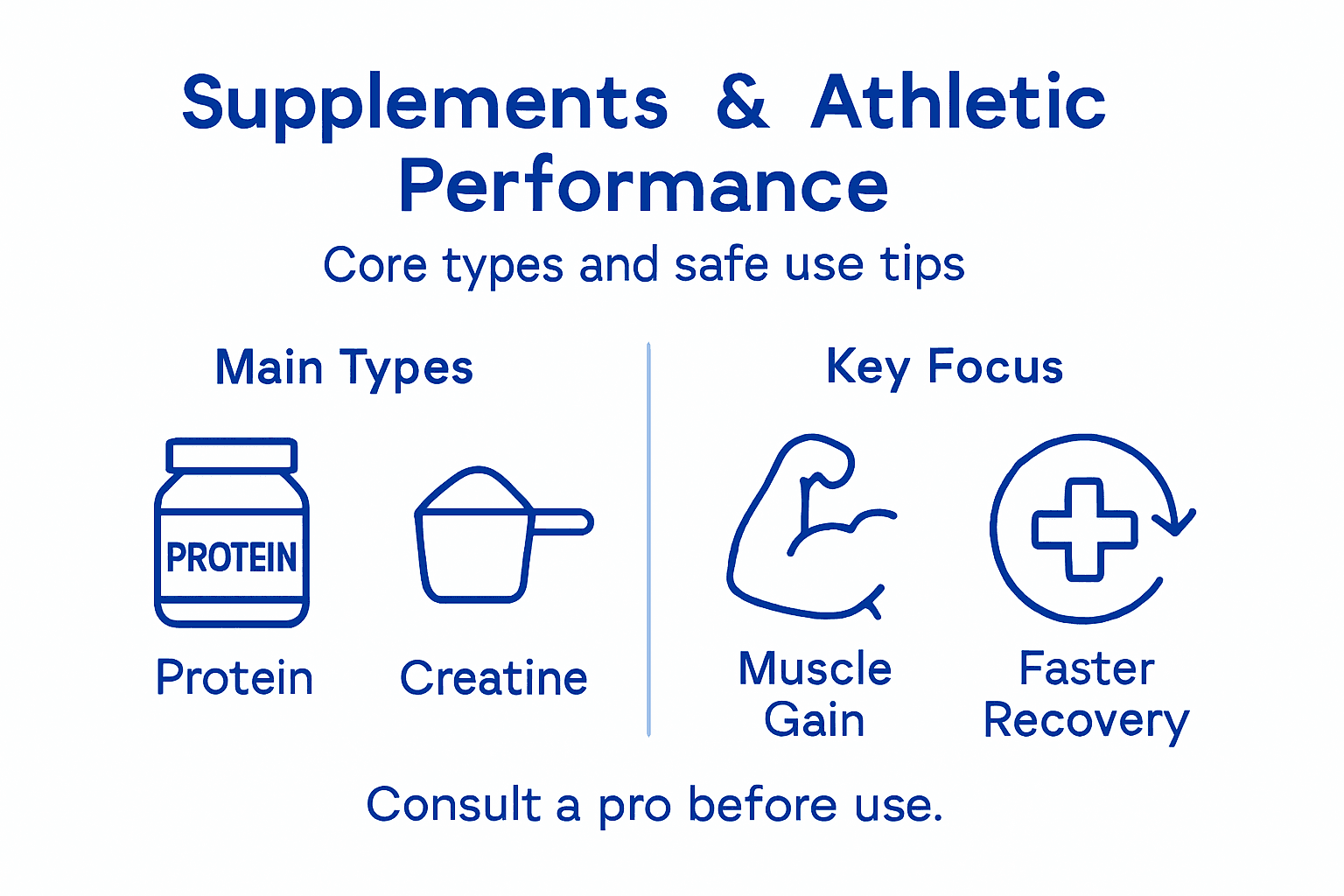
Here’s a comparison of common sports supplements and the primary benefits they provide athletes:
| Supplement Type | Primary Benefit | Example Application |
|---|---|---|
| Protein Powders | Muscle repair and growth | Post-workout recovery |
| Creatine | Enhanced power and strength | High-intensity training |
| Omega-3 Fatty Acids | Reduced inflammation | Joint protection |
| Caffeine | Increased alertness | Competitive events |
| Electrolyte Blends | Improved hydration | Endurance sports |
| Collagen | Connective tissue support | Injury prevention |
| Carbohydrates | Sustained energy | Long-duration exercise |
Pro tip: Consult with a sports nutritionist to develop a personalized supplement strategy that precisely matches your unique athletic performance goals and physiological requirements.
How Supplements Influence Muscle and Recovery
Nutritional strategies for athletes play a crucial role in optimizing muscle repair, recovery, and overall athletic performance. Understanding how specific supplements interact with the body’s physiological processes can significantly enhance training outcomes and reduce recovery time.
Key mechanisms of supplement influence on muscle and recovery include:
- Protein synthesis to rebuild muscle tissue
- Glycogen replenishment for energy restoration
- Inflammation reduction through targeted nutrients
- Cellular repair support
- Metabolic optimization for performance
Supplement research demonstrates multiple pathways through which nutritional compounds impact muscle recovery. Creatine, for instance, enhances muscular strength and power generation, while omega-3 fatty acids provide critical anti-inflammatory responses that minimize post-exercise muscle soreness. Collagen supplements support connective tissue repair, helping athletes maintain joint health and reduce injury risk.

The timing and strategic combination of supplements are equally important as the supplements themselves. Post-exercise nutrient intake can dramatically influence muscle protein synthesis, glycogen restoration, and overall recovery efficiency. Athletes must consider individual metabolic profiles, training intensity, and specific performance goals when designing their supplementation strategy.
Pro tip: Develop a personalized supplement protocol by tracking your body’s response and consulting with a sports nutrition specialist to fine-tune your recovery and muscle adaptation approach.
Legal and Safety Guidelines in Canada
Canadian supplement regulations represent a complex framework designed to protect athletes from unintended health risks and potential performance-enhancing drug violations. Navigating these guidelines requires a comprehensive understanding of legal restrictions, ethical considerations, and potential consequences for non-compliance.
Key legal considerations for Canadian athletes include:
- Strict anti-doping regulations enforced by national sporting bodies
- Mandatory supplement certification requirements
- Liability for unintentional violations
- Professional consultation recommendations
- Comprehensive product verification protocols
The Canadian Centre for Ethics in Sport (CCES) emphasizes the critical importance of supplement safety and transparency. Athletes must be vigilant about potential contamination risks, understanding that even unintentional consumption of prohibited substances can result in significant penalties, including competition disqualification and potential athletic sanctions.
Comprehensive supplement verification involves multiple layers of due diligence. Canadian athletes should prioritize products from reputable manufacturers, maintain detailed documentation of supplement sources, and consistently consult with sports nutrition professionals to ensure compliance with current regulatory standards.
The following table summarizes key strategies for safe supplement use in Canadian athletic competition:
| Safety Area | Key Action | Why It’s Important |
|---|---|---|
| Product Certification | Choose third-party tested | Limits contamination risk |
| Documentation | Record batch and source | Assists with anti-doping defense |
| Professional Guidance | Consult sports nutritionist | Ensures health and compliance |
| Routine Reassessment | Regularly review protocols | Adapts to changing regulations |
Pro tip: Maintain a comprehensive digital log of all supplement purchases, including batch numbers and manufacturer certifications, to protect yourself against potential unintentional anti-doping violations.
Risks, Side Effects, and Common Pitfalls
Dietary supplements present complex health risks that athletes must carefully navigate to protect their performance and overall well-being. Understanding potential complications is crucial for making informed decisions about nutritional supplementation.
Primary risks and potential side effects include:
- Gastrointestinal disturbances from improper supplement interactions
- Cardiovascular complications related to stimulant-based products
- Hormonal imbalances from unregulated compounds
- Unintentional doping violations
- Metabolic disruptions from inappropriate supplement usage
Athletes should be particularly cautious about several critical pitfalls in supplement consumption. Potential issues range from mild digestive discomfort to severe health complications, including unexpected interactions with medications, potential organ stress, and unintentional consumption of banned substances that could compromise competitive eligibility.
Comprehensive risk mitigation requires a strategic approach that includes thorough product research, professional consultation, and consistent monitoring of individual physiological responses. Athletes must prioritize transparency, verify supplement sources, and maintain open communication with healthcare professionals to minimize potential negative outcomes.
Pro tip: Maintain a detailed health journal documenting supplement intake, tracking any physiological changes or side effects to help identify potential risks early and discuss them with your healthcare provider.
Unlock Your Peak Athletic Performance with Trusted Supplements
Struggling with optimizing your training and recovery? The role of supplements in athletic performance is crucial for muscle repair, energy restoration, and injury prevention as highlighted in the article. You need quality, lab-tested products that truly support your goals such as enhanced power, endurance, and faster recovery without risking your health or competition eligibility. Whether you want to build muscle, reduce inflammation, or stay hydrated during intense workouts, the right supplementation strategy makes all the difference.
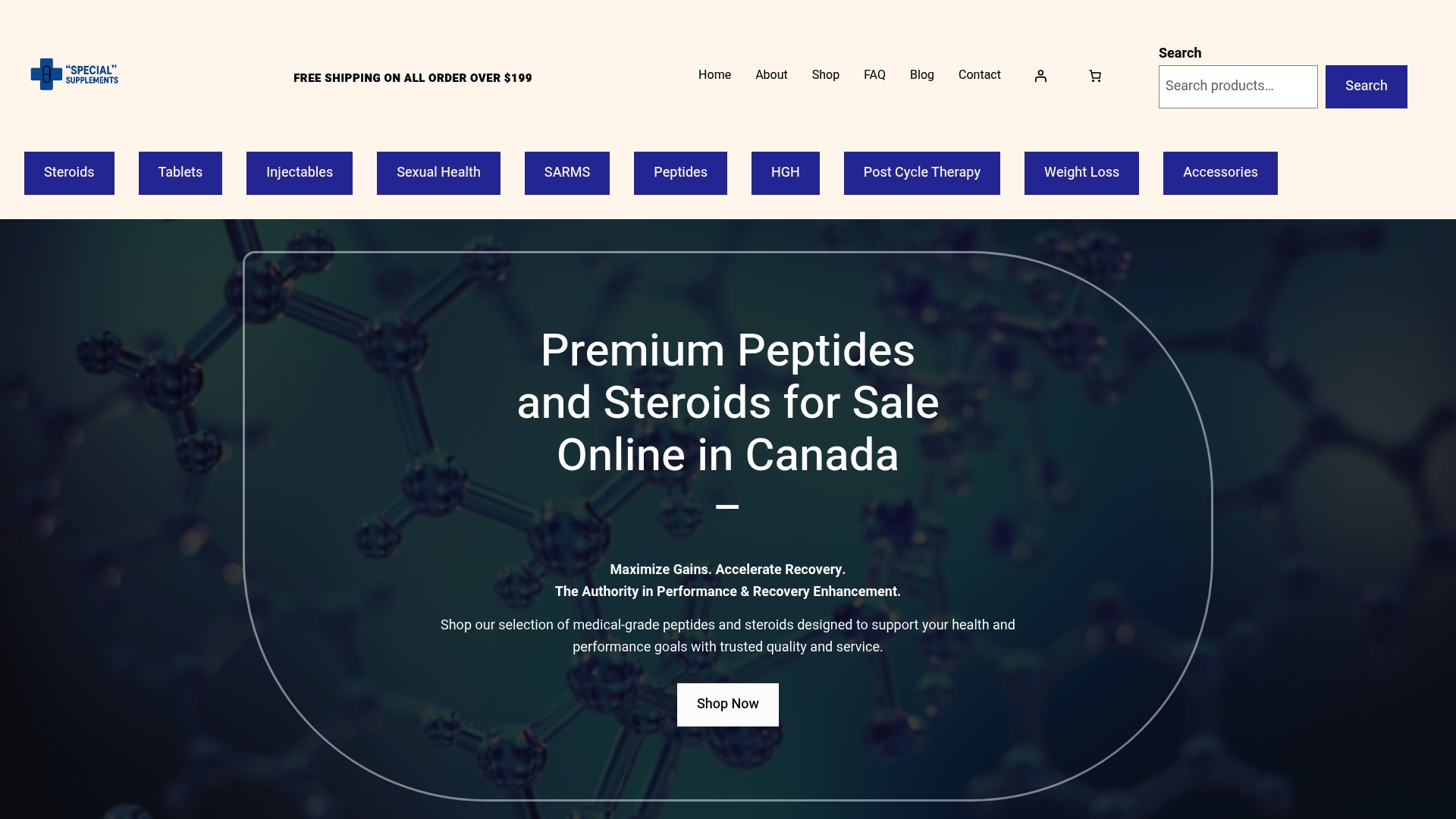
Explore premium options tailored for your unique needs at Health – Special Supplements. Our carefully sourced anabolic steroids, SARMs, HGH, and peptides undergo thorough testing to ensure purity and effectiveness. Don’t let uncertainty or safety concerns hold you back from reaching your full potential. Visit Special Supplements now and take control of your athletic journey with trustworthy products delivered discreetly anywhere in Canada. Your optimized performance and recovery await.
Frequently Asked Questions
What are the key types of supplements that enhance athletic performance?
Common supplements include protein powders for muscle repair, creatine for increased power, omega-3 fatty acids for inflammation reduction, caffeine for alertness, and electrolyte blends for hydration.
How do supplements influence muscle recovery and performance outcomes?
Supplements aid muscle recovery by enhancing protein synthesis, replenishing glycogen, reducing inflammation, and supporting cellular repair, which can lead to improved overall performance during training and competitions.
Are there any risks associated with using dietary supplements for athletic purposes?
Yes, potential risks include gastrointestinal disturbances, cardiovascular complications, hormonal imbalances, and unintentional doping violations. Proper consultation with healthcare professionals and thorough product research is essential to mitigate these risks.
How should I approach supplement usage for my specific athletic goals?
Consulting with a sports nutritionist is recommended to develop a personalized supplement strategy. This should consider your individual sport, training intensity, metabolic profile, and health objectives, ensuring that supplementation aligns with your performance goals.
Leave a Reply